
Laws are meant to maintain order, ensure safety, and protect citizens’ rights. However, in some laws around the world, the line between practical regulation and sheer absurdity often blurs. From quirky restrictions on everyday actions to bizarre prohibitions, these unusual laws are a testament to a society’s creativity, history, and cultural quirks. Here are some of the strangest laws around the world that you probably won’t believe exist.

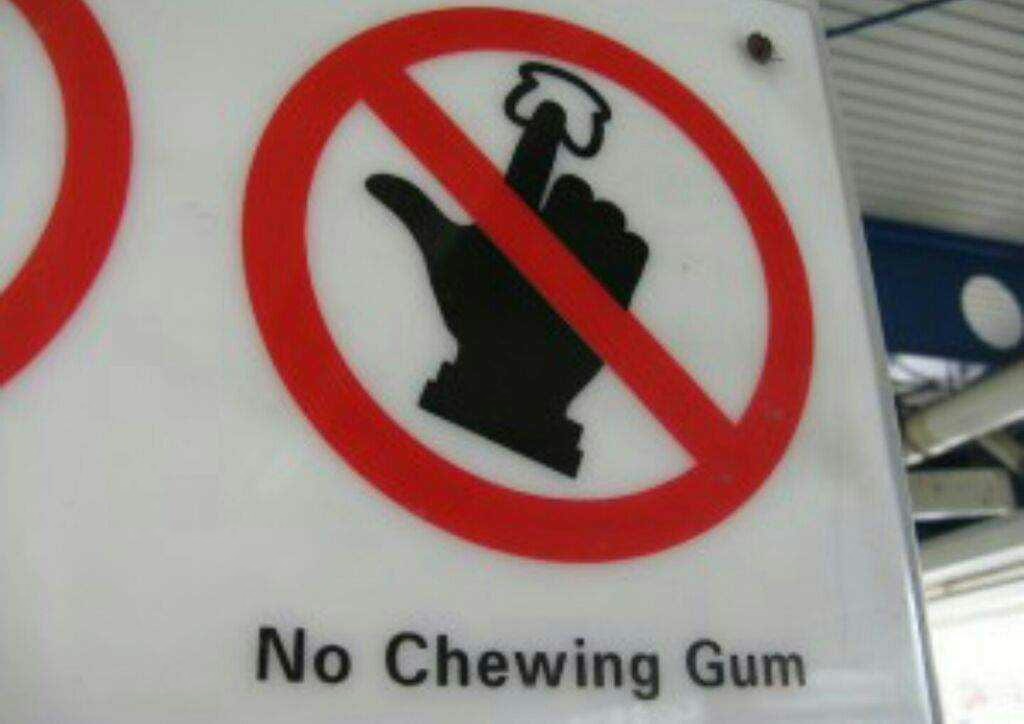
1. No Chewing Gum in Singapore
Singapore is known for its immaculate streets and strict rule enforcement. But did you know that chewing gum is largely banned in the country? Introduced in 1992 to prevent gum littering, this law prohibits the sale and import of most types of chewing gum. Violators can face hefty fines, and repeat offenders may even face jail time. The only exceptions are therapeutic gums prescribed by dentists. So, if you’re planning a trip to Singapore, make sure your chewing gum stash stays at home!
2. Walking a Camel on the Street in London Requires a License
In London, it’s illegal to walk a camel on the street without a proper license. This law dates back centuries, when camels were used as working animals, but it still technically exists today. Although it may sound like a relic of the past, it’s a reminder that some cities still retain laws that seem completely out of place in modern times.
3. Don’t Flush After 10 PM in Switzerland
Switzerland is renowned for its precision and tranquility, and apparently, that extends to toilet habits. In some Swiss apartment buildings, flushing the toilet after 10 PM is considered a noise violation and is technically illegal. While enforcement is rare, locals take it seriously to maintain peace in their quiet neighborhoods. Travelers should keep this in mind if they’re renting Swiss apartments!
4. No Winnie the Pooh in Public Areas in Poland
In the town of Tuszyn, Poland, there’s a surprisingly strict rule against Winnie the Pooh. The city council banned Pooh-themed clothing and materials in public spaces because the character is considered “inappropriately dressed” and “not wearing pants.” While it might seem like a silly restriction, it highlights how cultural norms can shape laws in unexpected ways.
5. Chewing Tobacco is Outlawed in the UK
While smoking is widely regulated around the world, the UK has taken things further with certain local laws that restrict the use of chewing tobacco. In some towns, chewing tobacco is considered illegal due to its health risks, particularly regarding cancer and dental problems. It’s a stark reminder that even seemingly minor habits can be the subject of strict legislation.
6. It’s Illegal to Step on Money in Thailand
In Thailand, money bears the image of the King, and disrespecting the monarchy is a serious offense. This also includes stepping on banknotes or coins, which is illegal and can result in fines or imprisonment. Tourists often overlook this law, but in Thailand, cultural respect isn’t optional—it’s legally enforced.
7. No High Heels at Ancient Sites in Greece
Greece is home to some of the world’s most famous archaeological sites, like the Acropolis. However, visiting these sites in high heels is prohibited. This law was introduced to protect the fragile stones and prevent damage to historical landmarks. While practical, it still seems strange that your footwear could land you in trouble!
8. Singing Off-Key in Italy? Think Again
In the town of Salo, Italy, a law reportedly prohibits people from singing off-key in public. While it might sound like a myth, some sources claim it was created to preserve the region’s musical heritage and maintain public decorum. So, next time you hit the wrong note, make sure it’s behind closed doors!
9. It’s Illegal to Forget Your Wife’s Birthday in Samoa
In Samoa, forgetting your spouse’s birthday isn’t just socially frowned upon—it’s technically illegal. While enforcement is more of a cultural expectation than a police matter, it’s still listed among the quirky laws that demonstrate the importance of family and relationships in Samoan society.
10. Don’t Feed Pigeons in Venice
Venice is famous for its canals, gondolas, and, unfortunately, pigeons. To protect historic buildings and public spaces from damage caused by these birds, feeding pigeons in Venice is illegal. Tourists caught tossing breadcrumbs may face fines, proving that even small actions can be tightly regulated in some parts of the world.
Why Do Strange Laws Exist?
Many of these bizarre laws have historical, cultural, or practical origins. Some were introduced to address problems that are no longer relevant but never officially repealed. Others reflect a society’s values, such as respect for authority, history, or public peace. While some laws might seem absurd to outsiders, they often serve as reminders of a nation’s history and priorities.
Final Thoughts
Strange laws around the world reveal just how diverse human societies can be. From chewing gum bans in Singapore to prohibitions on high heels in Greece, these laws might make you chuckle, scratch your head, or even check your travel plans twice. While travelers should always respect local laws, these unusual rules also offer a fascinating glimpse into the quirks and traditions of different countries.





Heard mixed things about vip345apk Are all the claims of free stuff true Or nah Kinda skeptical, but curious. vip345apk
Alright, checked out xoso66com and gotta say, the interface is pretty smooth. Not bad for a quick punt! xoso66com
160bet, eh? Had a looksee. Seems legit. Nothing groundbreaking, but a solid option if you’re looking for somewhere new to place your bets. 160bet
Phlovelogin is easy to get started with. Nice clean interface and login’s a breeze. If you’re looking for simple give phlovelogin a shot.
Having a blast at 9winlogin! The login process was super easy, and I’m already enjoying the games. Give it a shot! Check it out 9winlogin.
Bettilttr looks interesting. Thinkin’ about placing some bets. Gonna do some research first, but the interface looks pretty clean. Check it out if betting’s yourthing: bettilttr
bg567, yeah, I’ve stumbled upon that name before. Not sure what it’s all about, but it might be worth a quick look. Here’s the link: bg567
DP Pro Net result? If you are deeply vested in Satta guessing results, this is your thing! Have a look here: dp pro net
Checked out 6gbet cassino, seems pretty solid. Standard online casino fare, but everything worked as expected. No weird glitches or anything like that. Good if you just want a reliable place to play. Worth checking out at 6gbet cassino!
Just tried Rainha777slots, and wow! The games are so vibrant and easy to get into. Definitely a new favorite. Check it out: rainha777slots
Hey gamers! Been checking out rio66.bet trực tuyến lately. Good vibes and lots of stuff to do. Click here: rio66.bet trực tuyến